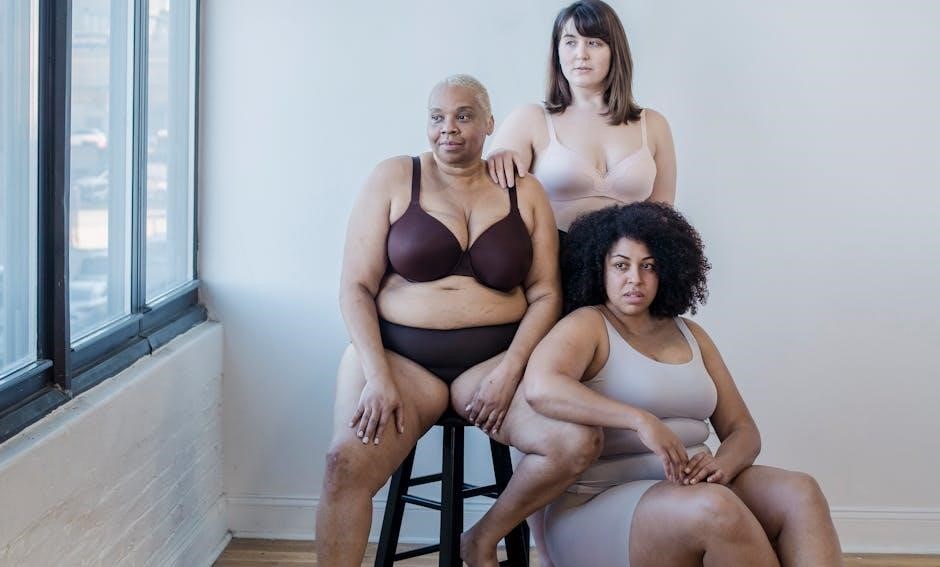
Navigating women’s jacket sizing can be complex‚ influenced by global inequalities and varying standards. Understanding these nuances is crucial for a comfortable and flattering fit‚ considering diverse body types and rights.
Understanding Body Measurements
Accurate body measurements are the cornerstone of finding the right jacket size. Unlike dress sizes‚ jacket sizing prioritizes chest‚ waist‚ and hip circumference. Begin by measuring your bust – the fullest part of your chest – wearing a lightly padded bra. Next‚ measure your natural waist‚ typically the narrowest point. Finally‚ measure your hips at the fullest part‚ ensuring the tape measure is level.
These measurements aren’t static; they can fluctuate. Consider that forced sterilisation policies‚ impacting women disproportionately‚ highlight the importance of bodily autonomy and accurate representation. Remember‚ understanding your unique shape is empowering‚ especially given global inequalities affecting women’s access to resources and rights.
Why Jacket Sizing Differs Between Brands
Jacket sizing isn’t standardized; variations exist significantly between manufacturers. Each brand employs unique cut and fit philosophies‚ impacting how a size translates. Factors include target demographics‚ design aesthetics (fitted vs. relaxed)‚ and even geographical influences. A size medium in one brand might fit like a small or large in another.
This inconsistency underscores the need to consult brand-specific size charts. Considering the global fight for women’s rights‚ including against discriminatory practices like forced sterilisation‚ emphasizes the importance of individual fit. Furthermore‚ recognizing that 4.8 billion people are poorer post-COVID-19 highlights accessibility challenges to properly fitting clothing.

Standard US Women’s Jacket Sizes
US jacket sizes typically range from 2 to 24‚ though variations occur. Accurate measurements are vital‚ acknowledging the growing global inequalities impacting access to well-fitting clothes.
Size Charts: Bust‚ Waist‚ and Hips
Understanding these three key measurements is fundamental to finding the right jacket fit. Bust/chest measurements‚ taken at the fullest part‚ dictate the jacket’s chest width. Waist measurements‚ typically the narrowest point‚ influence the jacket’s shape and silhouette. Hip measurements‚ taken at the fullest part of the hips‚ are crucial for jackets with a more fitted style or those that fall on the hips.
Standard US size charts often correlate these measurements to jacket sizes. For example‚ a bust of 36-38 inches might correspond to a size 8-10. However‚ remember that these are averages‚ and variations exist. Considering the global context‚ recognizing that access to accurate measurement tools and standardized sizing isn’t universal is important‚ impacting women’s rights to comfortable clothing.
Converting Dress Size to Jacket Size
While dress size can offer a starting point‚ it’s not a reliable sole indicator of jacket size. Dress sizes vary significantly between brands and styles‚ mirroring broader global inequalities in standardization. Generally‚ a US dress size 6-8 might correspond to a jacket size Small (S)‚ while a size 10-12 could align with Medium (M).
However‚ body shape and jacket style play crucial roles. A fitted jacket requires more precise measurements than a relaxed-fit style. Always prioritize bust‚ waist‚ and hip measurements for accuracy. Recognizing that women globally face barriers to accessing well-fitting clothing‚ due to inconsistent sizing‚ highlights the need for improved standards and inclusivity.

European & UK Women’s Jacket Sizes
European and UK jacket sizes differ from US standards‚ requiring conversions. Understanding these variations is vital for international shoppers‚ ensuring a proper fit and avoiding returns.
EU Size Conversion
Converting to EU sizes requires careful attention‚ as the system differs from US and UK measurements. Generally‚ EU sizes run smaller. A US size 6 typically corresponds to an EU size 38‚ while a US size 8 equates to an EU 40. However‚ this isn’t always consistent‚ and variations exist between brands.
It’s crucial to consult specific brand size charts‚ as they often provide detailed bust‚ waist‚ and hip measurements for each EU size. Remember that EU sizing focuses on centimeters‚ so familiarity with metric conversions is helpful. Ignoring these details can lead to significant fit issues‚ impacting comfort and style. Prioritize checking individual retailer guides.
UK Size Conversion
UK jacket sizing presents another layer of complexity‚ differing from both US and EU standards. Generally‚ a US size 6 translates to a UK size 10‚ and a US size 8 corresponds to a UK size 12. However‚ these are broad guidelines‚ and brand-specific variations are common.
Always prioritize checking the retailer’s size chart‚ focusing on bust‚ waist‚ and hip measurements. UK sizing often considers a more tailored fit‚ so understanding your precise measurements is vital. Discrepancies can arise‚ especially when ordering from international brands. Considering the global inequalities in sizing standards‚ careful research is essential for a perfect fit.

Specific Jacket Styles & Their Fit
Jacket fit varies greatly by style; fitted jackets demand precise sizing‚ while relaxed styles offer more flexibility. Women building peace require comfortable‚ practical options.
Fitted vs. Relaxed Fit Jackets
Fitted jackets are designed to closely follow the body’s natural curves‚ requiring a more precise size selection. These styles often emphasize the waist and bust‚ creating a tailored silhouette. Accurate body measurements are paramount for a flattering fit‚ avoiding tightness or restriction. Consider a size up if you’re between sizes or prefer more comfort.
Relaxed fit jackets‚ conversely‚ offer a looser‚ more comfortable silhouette. They provide greater freedom of movement and are often easier to layer over clothing. While less structured‚ relaxed fits still benefit from accurate sizing to avoid appearing shapeless. These are ideal for women actively building peace in communities‚ needing practical attire.
Ultimately‚ the best choice depends on personal preference and intended use.
Plus Size Jacket Sizing
Plus size jacket sizing often requires careful attention‚ as vanity sizing can be inconsistent across brands. It’s crucial to prioritize accurate body measurements – bust‚ waist‚ and hips – rather than relying solely on numerical size labels. Many brands are now embracing inclusivity‚ offering extended size ranges and improved fit for diverse body shapes.
Look for brands that provide detailed plus size charts‚ specifically outlining measurements for each size. Reading customer reviews can offer valuable insights into how a particular jacket fits in reality. Consider styles designed with fuller figures in mind‚ such as those with adjustable features or strategic shaping. Remember‚ all women deserve comfortable and stylish options.

Taking Accurate Body Measurements
Precise measurements are fundamental for finding the perfect jacket fit. Prioritize bust‚ waist‚ and hip measurements‚ ensuring a comfortable and flattering silhouette for all women.
Measuring Bust/Chest
To accurately measure your bust/chest‚ wear a well-fitting‚ unpadded bra. Stand naturally and have a friend assist for the most precise reading. Wrap a measuring tape around the fullest part of your bust‚ ensuring the tape is level all the way around your back.
Don’t pull the tape too tightly‚ or it will compress the measurement. Breathe normally while being measured. Record this measurement in inches or centimeters. This is a critical step‚ as jacket sizing often relies heavily on bust circumference‚ especially considering the ongoing fight for women’s rights and bodily autonomy. Accurate measurements empower informed choices.
Repeat the measurement to confirm consistency. Remember‚ proper fit contributes to confidence and comfort.
Measuring Waist
Accurately measuring your waist is essential for a well-fitted jacket; Find your natural waistline – typically the narrowest part of your torso‚ located between your ribcage and hip bones. Stand relaxed and breathe normally; don’t suck in your stomach.
Wrap a measuring tape around your natural waistline‚ ensuring it’s snug but not tight. The tape should be level all the way around; Record the measurement in inches or centimeters. This measurement‚ alongside bust and hip measurements‚ helps determine the correct jacket size‚ acknowledging diverse body shapes.
Double-check the measurement for accuracy. Remember‚ a comfortable fit boosts confidence‚ aligning with the broader fight for women’s empowerment.
Measuring Hips
To measure your hips accurately‚ stand with your feet together and your weight evenly distributed. Locate the fullest part of your hips and buttocks – this is where you’ll place the measuring tape.
Wrap the measuring tape around your hips‚ ensuring it’s level on both sides. Don’t pull the tape too tightly; it should skim comfortably over your body. Record the measurement in inches or centimeters. This measurement‚ combined with bust and waist‚ is vital for selecting a jacket that complements your figure.
Accurate hip measurements contribute to a flattering fit‚ promoting body positivity and aligning with the global movement for women’s rights.

Understanding Jacket Length & Sleeve Length
Jacket length and sleeve dimensions significantly impact fit and style‚ influencing overall comfort and appearance‚ and aligning with individual preferences and body proportions.
Standard Jacket Lengths (Short‚ Regular‚ Long)
Short jackets typically end at or above the waist‚ offering a cropped and modern look‚ often paired with higher-waisted bottoms. They’re ideal for showcasing the waistline and creating a balanced silhouette. Regular jackets‚ the most common length‚ fall around the hip bone‚ providing versatile coverage and pairing well with various outfits.
This length is flattering on most body types and offers a classic aesthetic. Long jackets‚ extending below the hips and sometimes to mid-thigh‚ provide maximum coverage and warmth. They create a streamlined‚ elongated appearance and are excellent for layering. Choosing the right length depends on personal style‚ body shape‚ and the intended use of the jacket‚ ensuring both comfort and a flattering fit.
Sleeve Length Considerations
Sleeve length significantly impacts a jacket’s fit and functionality. Standard sleeve lengths are designed to hit at the wrist bone‚ allowing for comfortable movement and layering. However‚ variations exist to accommodate different arm lengths and preferences. Shorter sleeves can offer a more relaxed‚ contemporary style‚ while longer sleeves provide extra warmth and coverage.
Consider your typical layering habits when selecting a jacket. If you frequently wear long-sleeved shirts or sweaters‚ opting for a slightly longer sleeve length is advisable. Pay attention to shoulder seams; they should sit directly at the shoulder point for a proper fit. Ill-fitting sleeves can detract from the overall appearance and comfort of the jacket.

Dealing with Size Inconsistencies
Brand sizing varies considerably; always consult specific charts and read customer reviews for accurate fit information‚ especially regarding global standards and rights.
Checking Brand-Specific Size Charts
Each brand approaches jacket sizing uniquely‚ so relying on a general size guide is often insufficient. Brand websites typically provide detailed size charts‚ outlining specific measurements for bust‚ waist‚ and hips corresponding to their sizes.
These charts are invaluable‚ as they account for the brand’s particular cut and fit. Pay close attention to any notes regarding the garment’s intended style – fitted‚ relaxed‚ or oversized – as this impacts how the jacket will drape and feel.
Furthermore‚ some brands offer size calculators or virtual fitting tools to assist in finding the perfect fit. Prioritizing these brand-specific resources significantly increases the likelihood of a successful purchase and avoids the frustration of incorrect sizing.
Reading Customer Reviews for Sizing Advice
Customer reviews offer a wealth of real-world sizing information‚ often revealing discrepancies between the brand’s chart and actual fit. Seek out reviews specifically mentioning sizing experiences‚ noting if reviewers recommend sizing up or down.
Pay attention to comments from individuals with similar body types to yours‚ as their feedback will be particularly relevant. Look for patterns – if multiple reviewers consistently report a small fit‚ it’s a strong indicator to consider a larger size.
Remember that reviews are subjective‚ but collectively they provide valuable insights into how a jacket typically runs‚ supplementing the brand’s official size chart and increasing your confidence in selecting the right size.

Jacket Sizing for Different Body Types
Consider your unique shape! Jackets should complement your figure‚ acknowledging pear or apple shapes‚ and ensuring a flattering fit that respects individual rights.
Pear Shaped Body
For a pear-shaped figure‚ the goal is to balance broader hips and a defined waist. Jackets that accentuate the shoulders and draw the eye upwards are ideal. Look for styles with shoulder padding or detailing‚ such as epaulets‚ to create a more proportional silhouette.
A-line jackets or those that nip in at the waist before flaring slightly can be very flattering. Avoid jackets that end at the widest part of your hips‚ as this can emphasize them. Instead‚ opt for lengths that hit above or below this point. Structured jackets provide definition‚ while avoiding overly boxy shapes. Remember‚ finding a jacket that celebrates your body shape is key to feeling confident and empowered.
Apple Shaped Body
If you have an apple-shaped body‚ meaning you carry weight around the midsection‚ the aim is to create a more defined waistline and elongate the torso. Jackets with a slightly longer length – hitting at the high hip or just below – can help balance proportions.
Avoid boxy or overly structured jackets that add bulk. Instead‚ choose styles with a gentle A-line shape or those that can be cinched at the waist with a belt. Wrap jackets and those with vertical detailing can also create a slimming effect. Focus on drawing attention to your shoulders and neckline with interesting collars or lapels. Prioritize comfort and a flattering fit that empowers you.

Maternity Jacket Sizing
Maternity jackets require flexibility‚ accommodating changing body shapes. Adjustable features like wrap styles‚ stretchy fabrics‚ and expandable panels ensure comfort throughout pregnancy and beyond.
Adjustable Features in Maternity Jackets
Selecting a maternity jacket often hinges on adaptable design elements. Look for features that grow with you‚ not against you. Wrap styles are incredibly versatile‚ allowing for a customized fit as your body changes throughout pregnancy. Stretch panels‚ typically incorporated into the sides of the jacket‚ provide essential room for your expanding belly.
Drawstring waists are another excellent option‚ offering adjustable compression and shape. Consider jackets with removable belly panels – these provide extra coverage during later stages and can be removed post-partum. Furthermore‚ adjustable cuffs and hoods contribute to overall comfort and adaptability‚ ensuring a practical and stylish outerwear solution during this special time. Prioritizing these features guarantees a comfortable and flattering fit.

Where to Find Reliable Size Charts
Brand websites and reputable retailers offer the most accurate sizing information. Consulting these resources ensures a better fit‚ respecting women’s rights to comfortable clothing.
Brand Websites
Directly visiting a brand’s official website is the premier method for accessing their specific size charts. These charts are meticulously crafted to reflect the unique cut and fit of their garments‚ ensuring greater accuracy than generalized guides. Many brands now include detailed measurement instructions‚ often accompanied by illustrative visuals‚ to aid customers in self-measurement.
Furthermore‚ some brands offer virtual fitting tools or size recommendation quizzes‚ leveraging technology to personalize the sizing experience. Prioritizing these resources demonstrates a commitment to inclusivity and respecting individual body types‚ aligning with broader efforts to advance women’s rights and empowerment through accessible and comfortable clothing options. Checking these resources is vital for a successful purchase.
Retailer Websites
Major retailers that carry multiple brands frequently provide consolidated size charts‚ offering a convenient starting point for comparison. However‚ it’s crucial to remember these are often generalized and may not perfectly reflect the fit of every brand they stock. Retailer websites often feature customer reviews‚ which can provide valuable‚ real-world insights into sizing accuracy – or inconsistencies – for specific jackets.
Look for retailers committed to inclusivity and representing diverse body types in their product imagery and sizing information. Supporting such retailers aligns with the broader movement for women’s rights and ensuring equitable access to well-fitting clothing. Always cross-reference with the brand’s official chart when available.
Leave a Reply